



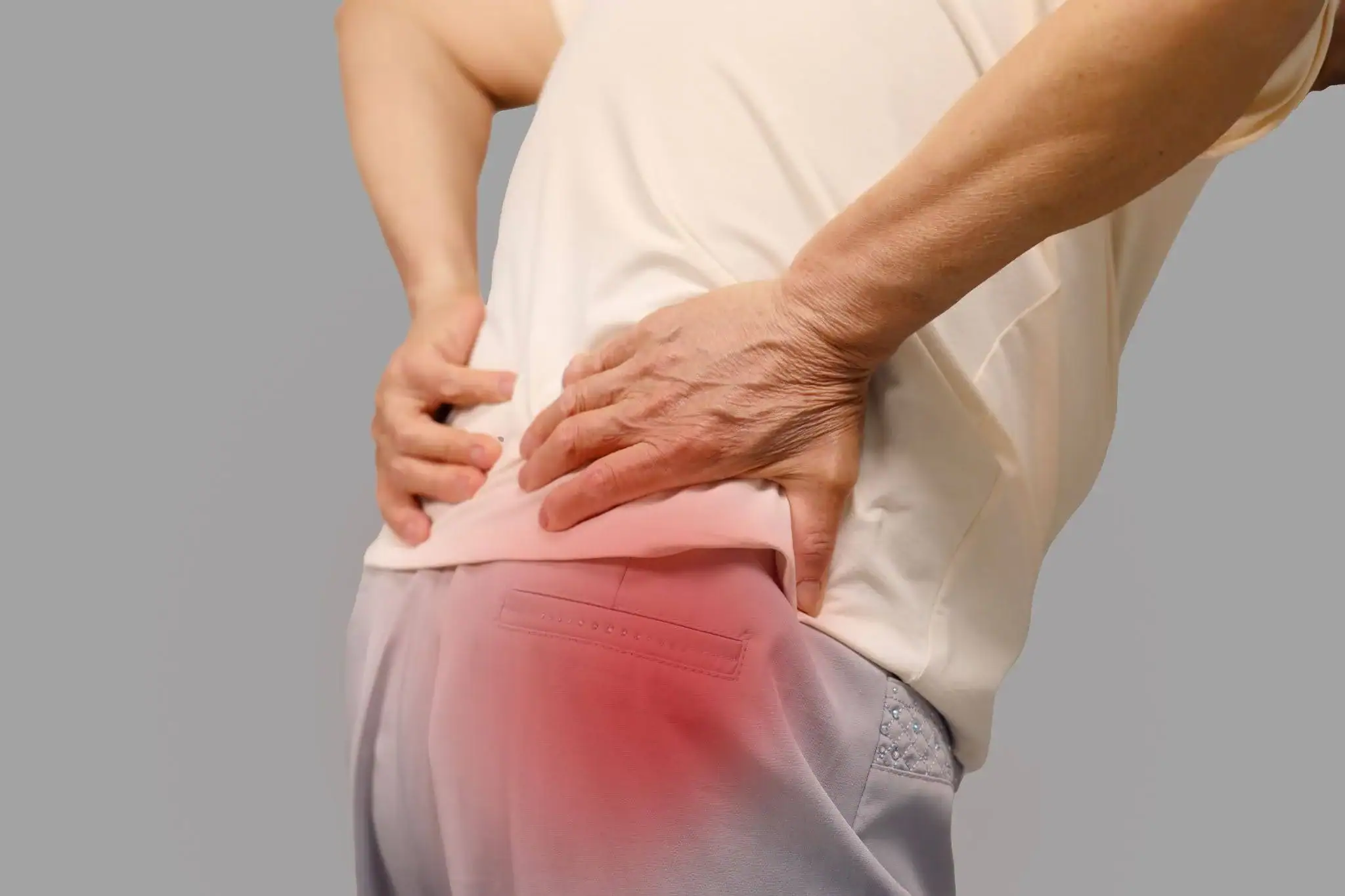
Sciatica pain often eases with a combination of movement, targeted stretches, heat or cold, and pain relief options for the muscular tension that surrounds the compressed nerve. Most cases improve over time with non-surgical approaches, but recovery can vary depending on the individual and case. Understanding what’s happening in the body helps you choose the right combination of sciatica self-care habits to shorten that window. Below, we cover how sciatica pain works, what typically triggers it, the non-surgical approaches that can help, and where topical analgesics fit in. Our goal is to help you make informed choices about managing sciatica symptoms.
Sciatica refers to pain that travels along the sciatic nerve, which runs from the lower back through the glutes and down each leg. It is not a diagnosis on its own, but a description of pain caused by irritation or compression of that nerve. The pain is most often felt on one side and can range from a mild ache to a sharp, shooting sensation.
Three mechanisms typically drive sciatica pain:
Sciatica is usually triggered by a combination of underlying spinal changes and a specific movement or posture that presses on the nerve. Common triggers include:
Understanding your personal triggers is often the starting point to learning how to relieve sciatica pain, because reducing exposure to the movements or postures that set it off can shorten a flare-up and lower the chance of another one.
Effective sciatic pain relief usually comes from combining several approaches. The four below are approaches you can try at home.
Gentle exercises and targeted movement are one of the most reliable ways to ease sciatica pain, because they relieve the muscular tension that adds to nerve compression and encourage fluid movement around the affected discs.
Effective sciatica exercises typically include:
Move within a comfortable range and stop if any movement sharpens the pain. Consistency over 4 to 6 weeks matters more than intensity in any single session.
Heat and cold remedies ease sciatica pain differently, and using them at the right time can shorten a flare-up.
Some people alternate between the two throughout the day. Whichever approach you use, always place a barrier like a thin cloth between the pack and the skin.
Two main formats of over-the-counter pain relief are available at the drugstore:
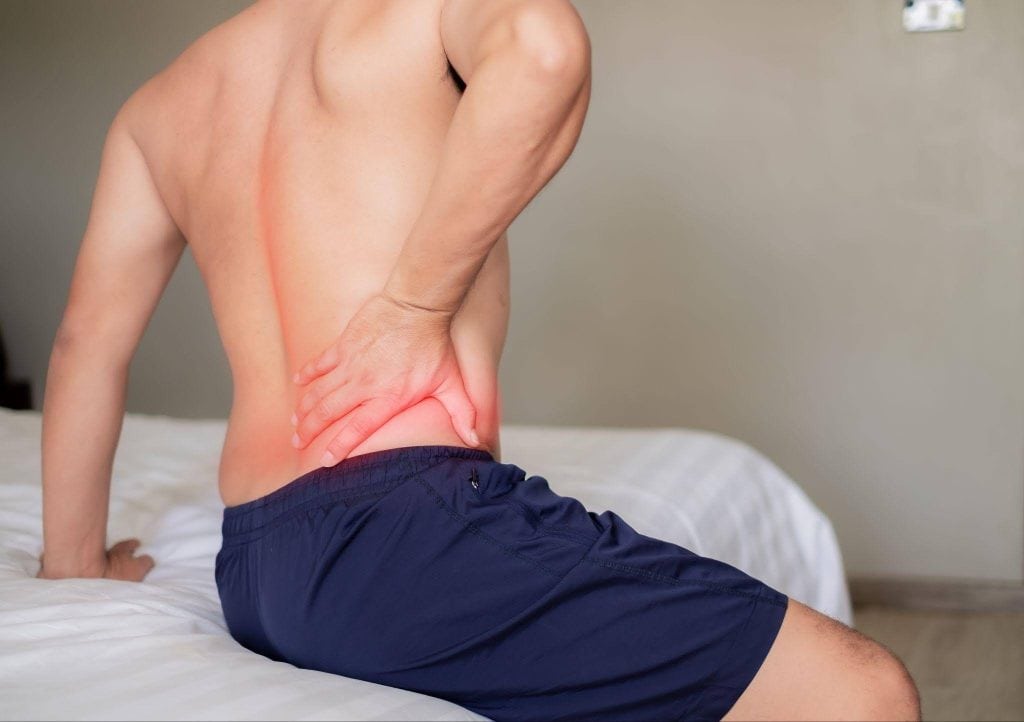
Topical analgesics help relieve the muscular tension that surrounds a compressed sciatic nerve, which can help ease the compounded discomfort a flare-up creates. They do not act on the nerve itself, but by easing the tight muscle around it, they can lower the total load the body is carrying during a flare-up.
The piriformis and lower back muscles often tighten in response to sciatica pain, which can add pressure to the already compressed nerve and worsen the sensation. Tiger Balm ointments activate temperature-sensitive receptors in the skin, producing a warming and cooling sensation that draws the brain’s attention away from the deeper ache while the underlying muscle gradually eases. As the muscle relaxes, the added pressure on the nerve often lowers as well.
Oral pain relief is systemic. It circulates through the whole body to address discomfort in one area, which is why it comes with the possibility of stomach upset or interaction with other medications. Topical analgesics stay where you apply them. They activate receptors in the skin, which send signals to the brain that partially crowd out the pain signals from the underlying muscle. For anyone already on oral medication, layering a topical rub over the affected muscle area is a way to add localized sensory relief without adding to the systemic load.
Tiger Balm offers a range of formats to suit different application preferences and situations, and three of them suit sciatica-adjacent muscular tension particularly well.
For lower back application:
Tiger Balm Ultra Strength Ointment is the most strongest muscle relief ointment in our range, specially formulated to help soothe muscular aches and discomfort across larger areas of the body. Its intensified warming and cooling sensation is provides targeted relief where muscle tension and soreness commonly occur.
This makes it particularly well suited for larger muscle groups, including the lower back, where sciatica-related discomfort and tension are common. The ointment is available in a non-staining formula for convenient, mess-free application and comes in a range of sizes to suit different needs and lifestyles.
Apply to the areas where sciatica-related muscular tension tends to settle:
For those who prefer a slightly milder sensation, Tiger Balm Extra Strength Ointment is a great alternative within the Tiger Balm Ointment range. It helps relieve aches and pains associated with arthritis and joint discomfort, with a balanced formulation that provides effective relief while delivering a more moderate sensory experience than Tiger Balm Ultra Strength Ointment. This makes it a suitable choice for those who prefer a less intense sensation.
For hands-free, longer-lasting coverage:
Tiger Balm Pain Relieving Patch (Large) is a lower back pain patch designed to stay in place for up to 8 hours, offering steady relief without needing to reapply. The hydrogel format is discreet under clothing and suits situations where you want continuous coverage without an ointment on the skin. This makes it suitable for long workdays at a desk, extended sitting during travel, or overnight application when sciatica tends to interfere with sleep.
To apply Tiger Balm’s Pain Relieving Patches, observe the following steps:
Limit application to three patches per day to the affected area. Wear during rest, light activity or overnight while sleeping.
For massage application:
For those who prefer a liquid format that spreads easily during self-massage or partner massage, Tiger Balm’s liniment oil suits the glutes and lower back muscle area well. The liquid absorbs quickly and works with a massage motion to reach the tight muscle around the affected areas.
General Application Guidance
A few habits apply across all three formats to get the most from each application. Where possible, apply 30 minutes to an hour after showering, since skin can be more sensitive immediately after. Start with clean, dry skin so the product absorbs without interference. Use a pea-sized amount for most areas, adding more if needed rather than starting with too much. Massage in gentle circular motions until the product absorbs, which also encourages circulation in the muscle underneath. Apply two to three times daily or as needed, following the label for the specific product. Wash hands thoroughly after application and avoid touching the eyes or other sensitive areas.
Topical relief works best when it fits alongside your other habits rather than replacing them. A few ways to layer it in:
Most sciatica eases with the approaches above within 4 to 6 weeks. See a healthcare professional if any of the following apply:
When conservative approaches aren’t enough, a healthcare professional may recommend:
For many, sciatica eases with home remedies. A combination of movement, targeted stretches, temperature-based approaches, and topical or oral pain relief is enough to see most cases through without needing to escalate to injections or surgery.
Explore the full Tiger Balm range and find the format that suits how you move, work, and manage the everyday discomforts. For more on how our range fits into a broader pain relief routine, see our complete guide to Tiger Balm pain relief, our sore muscle relief tips, and our guide to back aches and pains.

 Where to Buy