



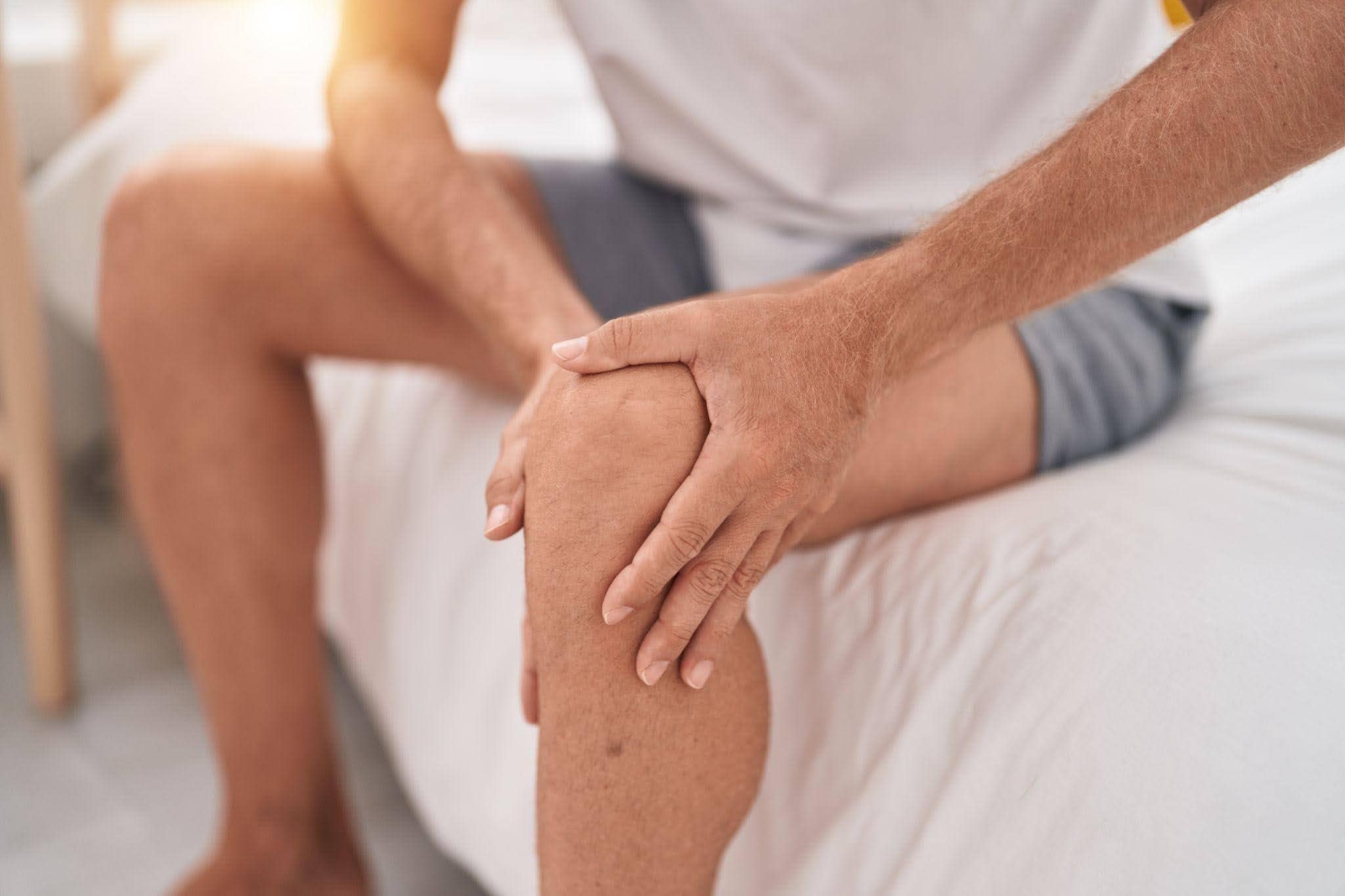
Living well with arthritis comes down to a combination of practical relief approaches, sensible daily movement, , and the habits that support joint comfort Many approaches to easing arthritis discomfort are within reach at home, and below, we cover the home remedies that help with arthritis pain relief, exercises that support arthritis pain, foods to reach for, habits to kick, when to speak with a healthcare professional, and how to build all of it into a routine.
The Most reliable home remedies for arthritis fall into three categories:
Most people managing arthritis find that a combination of approaches works best.
Warmth is suitable for stiff, tense joints, while cold is better for joints that feel swollen or overworked after activity.
Use heat or cold for short periodsas needed, with a barrier such as a thin cloth between the source and the skin, and give the joint at least an hour to rest between applications.
Topical relief acts on arthritis discomfort by activating temperature-sensitive receptors in the skin above the affected joint. These receptors send strong sensory signals to the brain, which partially crowd out the pain signals travelling from the joint itself. The result is localized sensory relief you can apply directly to the area, without the systemic load that oral options carry through the whole body.
The Tiger Balm range includes two formulations developed for joint discomfort, each suited to a different application context.
Tiger Balm Red Extra Strength Ointment, formulated with cinnamon (cassia oil), is developed as an arthritis ointment for deeper, aching joint discomfort that tends to linger. Its warming sensation is well suited to stiff, tense joints, particularly in the evening or during quieter parts of the day when the ointment format has time to absorb without interfering with activity. Apply a small amount to the affected joint and massage in gently until absorbed. Reapply up to three or four times a day as needed.
Tiger Balm Arthritis Rub is a joint cream for arthritis, formulated for the ongoing discomfort associated with arthritis. The cream allows for easier application across larger areas and is well suited to the knees, hips, lower back, and shoulders. Apply a thin layer to the affected joint, massage in gently, and wash your hands after application. Reapply as needed throughout the day.
Both products are for external use only. Avoid contact with the eyes, mucous membranes, and broken skin.
Rest routines and everyday warmth habits are different from the targeted heat and cold approaches covered above. Where those are direct applications to a specific joint at a specific moment, these are the background habits that keep joints comfortable across the day and between periods of movement.
Gentle, regular movement generally helps arthritis pain by keeping joints mobile and strengthening the muscles that support them, while high-impact or repetitive activity tends to make discomfort worse. The distinction is less about how much you move and more about the kind of movement, the pace, and whether you build recovery time into the week.
The activities most often recommended for people managing arthritis are low-impact, controlled through a full range of motion, and easy to scale up or down based on how the joint feels that day. Examples include:
Aim for consistency over intensity. Twenty minutes most days will do more for arthritis pain relief over time than a demanding session once a week.
Some activities are more likely to aggravate arthritis discomfort, particularly for joints that already flare regularly. These include:
The general rule is to adjust intensity and duration based on how the joint responds afterwards, and to give the body a day or two between sessions of anything more demanding.

Some daily habits make arthritis discomfort harder to manage, and stepping away from them supports comfort. The categories worth attention are:
Home methods work well for the everyday discomfort of arthritis, but some symptoms may require guidance from a healthcare professional. The general rule is that discomfort which is worsening, spreading, or beginning to interfere with daily life needs an evaluation rather than continued self-management on its own.
Speak with a healthcare professional if you notice any of the following:
A healthcare professional can evaluate the discomfort, order blood tests or imaging if needed, guide medication choices, and refer you to a rheumatologist for autoimmune forms of arthritis or a joint specialist for more advanced options. For a broader look at how to relieve joint pain across a wider set of causes, our guide to understanding joint pain and how to manage it covers the underlying picture in more depth.
Managing arthritis pain at home works best when the individual methods build into a consistent daily rhythm rather than a set of things you reach for only during flare-ups. Applying topical relief before bed, walking for 20 minutes in the morning, and stepping away from the postures that aggravate the joint tend to provide more comfort than intensive effort applied inconsistently or only when discomfort spikes.
Arthritis pain does not have to define the shape of daily life, and the routines that keep joints comfortable over the long term are built one habit at a time.
Explore Tiger Balm’s full range of products, including our muscle ointment and neck pain relief patch and learn more about how they support different kinds of muscular and joint discomfort in the complete guide to Tiger Balm pain relief.

 Where to Buy